
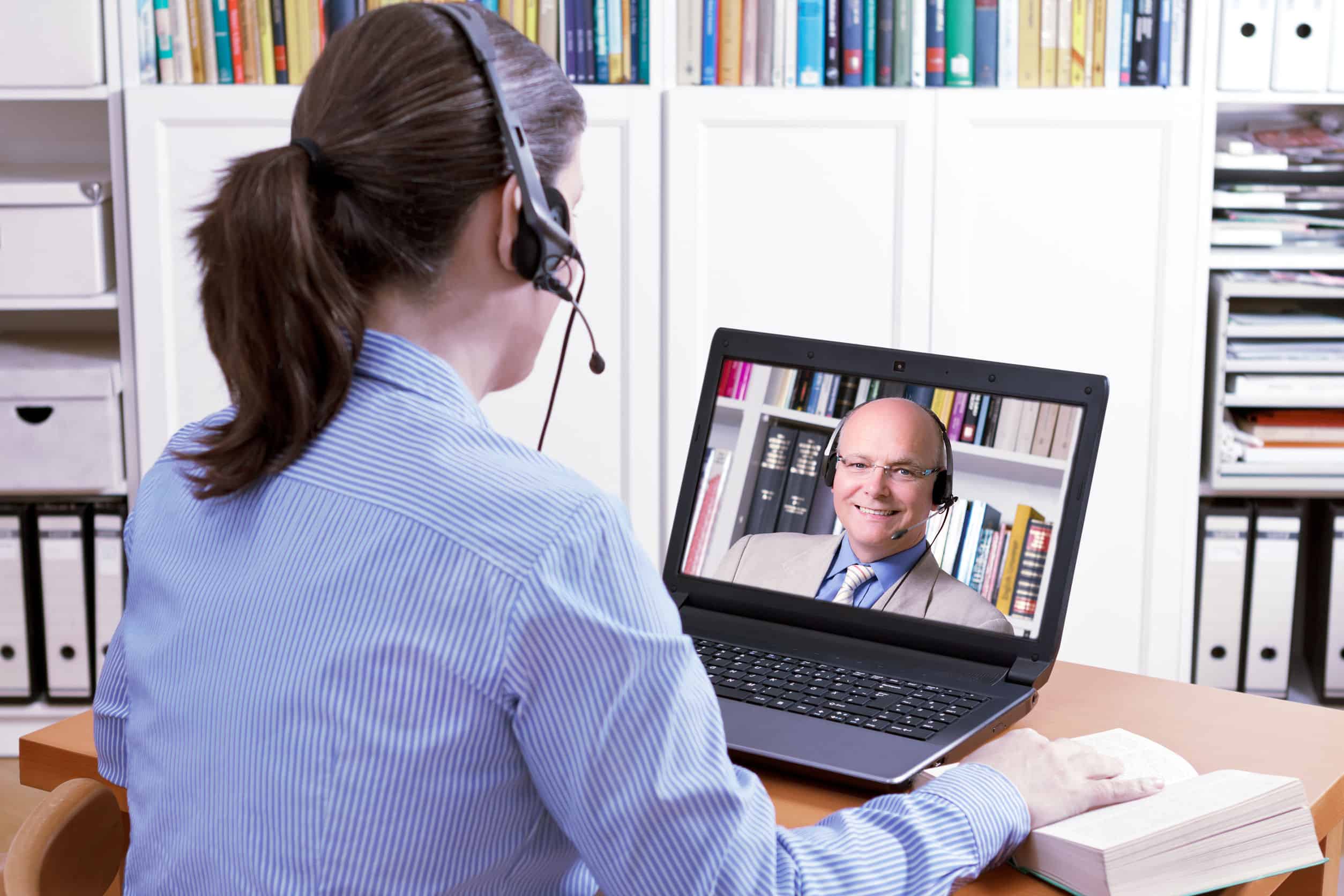
Remote work isn’t just a trend—it’s the new normal. Right now, 78% of employees are working either fully remote or in a hybrid setup. And when it comes to what people actually want? A whopping 93% say they prefer some form of remote work. That’s a big shift from the traditional office model.
For companies, this means adapting fast. While remote flexibility is a win for employee satisfaction, it also creates new challenges—especially around trust and security. Without regular face-to-face interaction, employers need stronger ways to verify who they’re hiring. That’s where background checks come in. In this article, we’ll explore why a solid employment background check is more important than ever, and how it helps prevent identity fraud and keep businesses compliant.
The Benefits of Remote Work for Businesses
Remote work offers several benefits to businesses.
Financial Benefits
Remote work helps businesses cut costs. By shrinking their office space—or getting rid of it altogether—they can save big on rent, electricity, supplies, equipment, and upkeep.
Businesses can save on salaries, too—by hiring talented employees from places where living costs are lower.
Flexibility
Remote work gives businesses the flexibility to keep things running—even when disasters or health crises hit. Teams can stay connected and productive from anywhere.
Businesses can grow their teams without needing more office space or extra setup—making it way easier (and cheaper) to scale.
Access to Wider Talent Pool
Remote work lets businesses tap into global talent—bringing in skilled people from all over the world. That kind of mix adds fresh perspectives and helps build a more inclusive team.
Better Work-Life Balance
To boost productivity, it helps when employees feel good. Remote work makes it easier to keep that work-life balance—no commute means more time for things that matter, like working out, spending time with family, or just recharging.
The Risks of Remote Work for Businesses
Legal and Compliance Risk
Remote hiring means dealing with different laws depending on where your employees live. Privacy rules and compliance requirements can vary from state to state—and country to country. For example, following the Fair Credit Reporting Act (FCRA) can get tricky if your process isn’t consistent. Slip-ups could lead to legal trouble.
Security and Data Access Risks
Some companies assume remote workers are low risk, but skipping background checks can seriously backfire. These employees often log in from personal devices and home networks, which aren’t always secure.
On top of that, remote staff usually have access to sensitive data and systems. If someone with a questionable history slips through, it could lead to data breaches, theft, or worse. Unlike the office, their setup isn’t monitored—so if they’re not properly vetted, your business could be wide open to threats.
Background Check Integrity Risks
It’s easier to miss red flags when hiring remotely. Without a solid employment background check, employers might overlook criminal records or fall for identity fraud—especially with everything done through digital forms and video calls.
Candidates may also stretch the truth on resumes or fake job history to land a remote gig. If you don’t verify credentials, you could end up with someone who’s not qualified, which hurts performance and productivity.
For roles that need specialized skills, double-checking degrees and certifications is a must. And if the job involves handling money, poor credit could be a warning sign—especially when there’s no in-person oversight.
Financial and Reputational Risks
Hiring the wrong person—remote or not—can get expensive fast. Think wasted training, lost productivity, turnover costs, and even legal fees. Remote mis-hires can be worse, especially if they damage client relationships or cause security issues.
One bad move (like fraud or a data breach) can seriously hurt your brand, especially if it’s tied to a weak vetting process. In virtual settings, trust is harder to build—and easier to lose.
There’s also the risk of moonlighting. Without proper checks, a remote employee might secretly juggle two full-time jobs, leading to poor performance and payroll headaches.
Key Risk Factors: Remote Work vs. Office Work
Here is a table comparing the key risks for both remote work and office work:
| Risk Factor Category | Remote Work Environment | Office Work Environment |
| Data Security & Cyber Risk | Use personal devices and home Wi-Fi, which aren’t always secure. That opens the door to phishing, malware, and risky apps. With less hands-on IT support—and challenges like time zones, missed messages, and no face-to-face chats—things can slip through the cracks. | Office setups are usually safer thanks to secure networks, strong firewalls, and monitored devices. You’ve got IT support on hand and physical protection for servers, so issues get handled fast. |
| Communication & Collaboration | Relying too much on digital communication can slow decisions, cause misunderstandings, and leave people feeling isolated—especially with time zones, missed messages, and no face-to-face chats. | Quick chats, body language, and instant feedback make communication smoother and help teams connect. It’s easier to talk things out and solve problems on the spot. |
| Compliance & Regulatory Risk | You follow the labor laws, tax rules, and data privacy regulations wherever your employees live—which can get tricky fast, especially with remote work and different state or country laws. | Rules and compliance usually stick to the office’s location, so oversight stays simple and centralized. |
| Background Check Integrity | Virtual interviews can make it easier for identity fraud to slip through. It’s also tougher to check credentials from different states or countries since records aren’t always easy to access remotely. | Simpler to check someone’s identity in person, and most of the screening sticks to the local area—less hassle, fewer surprises. |
| Employee Supervision & Productivity | With less direct oversight, it all comes down to trust and self-discipline. It’s harder to track work habits or hold people accountable remotely—and there’s a real risk of someone juggling a second job on the side. | It’s easier to keep tabs when everyone’s in the same place. Managers can see who’s working, how things are moving, and track progress just by being there. |
| Physical Security | When company gear like laptops or sensitive files is kept at home, it’s harder to control who has access, raising the risk of theft or someone in the household seeing something they shouldn’t. | Company gear stays safe in a locked, secure building that’s always monitored—less chance of anything going missing or getting into the wrong hands. |
| Work-Life Balance | Work-life balance can become messy when working from home—it’s easy to get distracted or end up working way past your scheduled hours without realizing it. | Work-life balance is easier to manage when the job stays at the office—set hours, clear boundaries, and less spillover into personal time. |
Choosing the Right Employment Background Screening Company
Here’s what to look for when picking a background check company for remote hires:
Key Criteria
Not all screening companies are built the same. Look for a pre employment screening company that offers fast, accurate checks, stays compliant with privacy laws, and plugs easily into your HR tech stack.
Tailored Screening Solutions
For remote teams, tailored solutions matter—like mobile-friendly platforms and real-time reporting that scale across locations.
Coverage, Tech, and Certifications
When reviewing options, look for an employment background screening company with global coverage, tech integration, and certifications like PBSA accreditation. Customer reviews can also reveal how well they handle support and avoid common pitfalls.
Smarter Hiring
And don’t forget: solid screening reports from a reliable employment background screening company can actually help you make smarter hiring decisions, not just check a box.
Final Thoughts
Remote work opens up a ton of possibilities for businesses, but it also brings some new risks you really shouldn’t overlook. As more companies jump on the flexible work bandwagon, solid background checks matter more than ever.
Teaming up with a trustworthy pre employment screening company and putting smart verification steps in place means you can build remote teams that are both safe and successful—while keeping your reputation and finances protected and setting yourself up for future growth. In today’s virtual world, smart hiring isn’t just about landing great talent; it’s about starting off with trust right from the get-go.